
What Season Is Your Group Practice In? (And How Your Leadership Needs to Shift)
There’s a question I’ve been thinking about a lot lately — and honestly, it’s one I wish more group practice owners asked themselves before they ever start wondering if they’re “behind.”
What season is your practice in right now?
Because if you’re anything like most group practice owners I’ve worked with (and if I’m honest, like I’ve been many times myself), you’ve probably had moments where you’ve looked at someone else’s practice and thought:
Why doesn’t mine look like that?
What are they doing that I’m not doing?
Should I be further ahead by now?
And here’s what I want you to know right away: there’s a danger in that comparison — not just because it makes you feel bad, but because it can actually distort your leadership.
It can make you lead like you’re running a practice you don’t have yet… or make you lead like you’re still “small” even though your team has grown and your role has changed.
So today I want to offer a perspective that can take a lot of pressure off: your practice goes through seasons — and leadership should shift with those seasons.
Why This Matters (Especially for Group Practice Owners)

One of the biggest leadership mistakes we can make is expecting ourselves to lead the same way all the time. It’s easy to assume we should be confident and steady and strategic from day one — like we should already know how to lead a fully mature practice before we’ve even built the foundations of it. But leadership doesn’t work that way, and neither does business. Your practice will evolve, your team will evolve, and you will evolve right alongside it.
And when we recognize that your practice has seasons — just like nature does — you start to see that what you need in one season might be completely different than what you need in another. This isn’t about forcing your practice into a “better” season. It’s about naming what’s true… and leading from that truth.The Four Seasons of a Group Practice
There are different ways to describe this concept, but I like thinking about group practice growth as having four seasons: planting, growing, tending, and harvesting. It’s a bit like a garden, which is such a helpful metaphor because it keeps us grounded in what’s realistic. In a garden, you don’t harvest in spring — and you don’t plant in fall and then wonder why nothing is thriving by the end of the week. You respect the season. And your practice deserves that same respect. The other important thing to remember is that these seasons aren’t linear. You don’t move through them once and then graduate forever. Sometimes you cycle through them again, or you come back to planting even after years in business because you’re rebuilding systems, restructuring leadership, or creating a new model. And that’s not a failure — that’s normal. That’s leadership. So let’s walk through each season.
The Planting Season
Planting is the season where you’re building foundations.
Sometimes it’s the very beginning of your group practice — you’ve been in solo private practice and you’re adding your first clinician. Other times, planting happens later because you realize you’re missing structure, systems, or clarity and you need to go back and create a stronger base.
Planting can feel exciting and full of possibility. It can also feel like a lot.
Because in this season, you’re often creating everything from scratch.
You might be building systems, figuring out onboarding, defining your culture, creating contracts, mapping out how your practice will run, and making decisions you’ve never had to make before.
In planting, leadership looks like foundation-setting. You’re thinking ahead, putting pieces in place, and building something that can actually hold your practice as it grows.
The trap here — and this one is so common — is that the business becomes everything.
You might feel energized by the creativity of it. That’s not wrong. But there’s a difference between feeling fulfilled… and slowly losing yourself.
So a boundary that often matters in this season is a simple one: you still need a life outside the business.
Even if you’re working hard, you want to ask: If I keep leading like this, will I resent anything? Will I burn out? Will I lose myself?
Planting requires energy. But it shouldn’t cost you your health.
The Growing Season
Growing is the season where momentum increases.
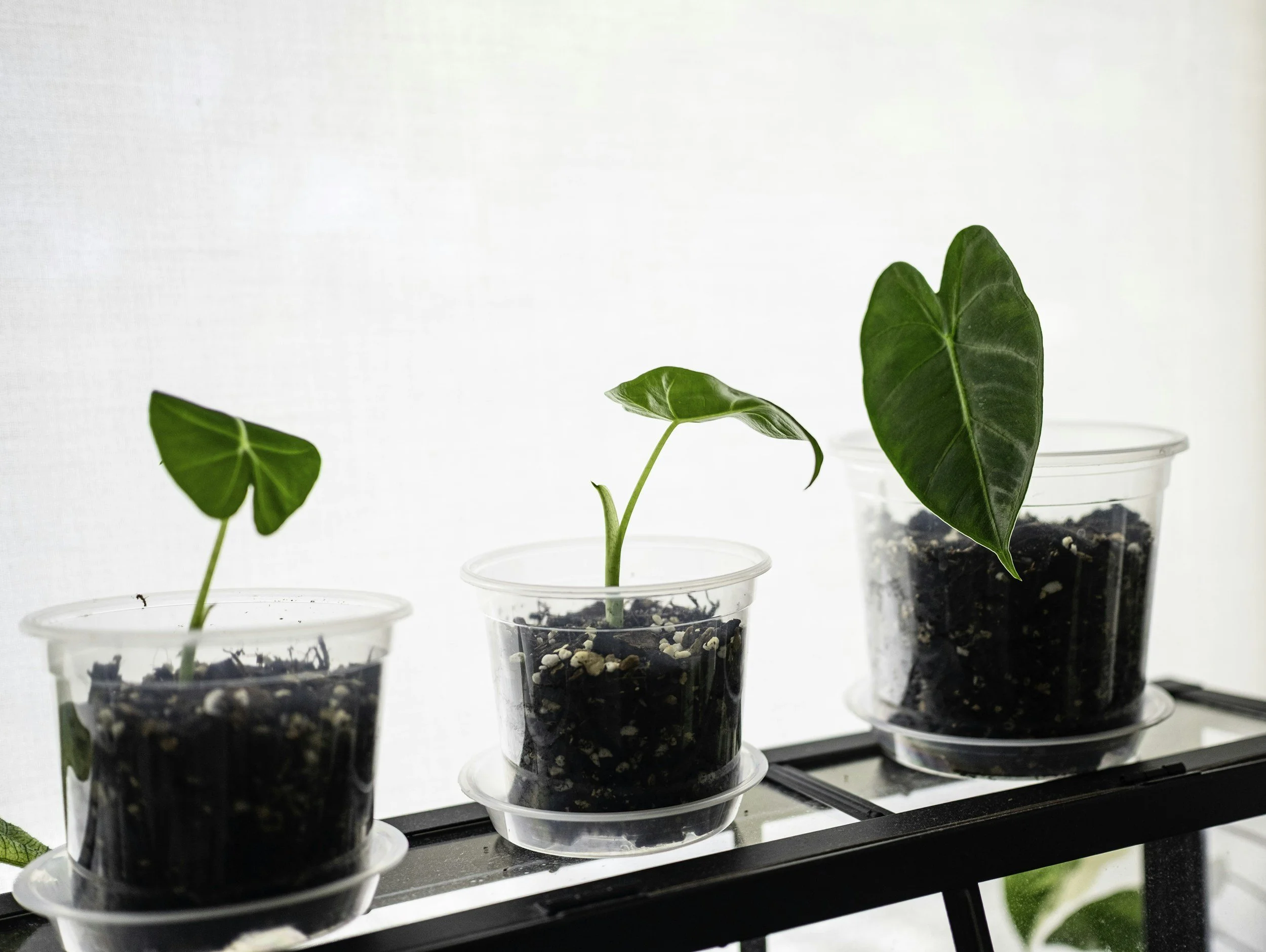
This is where demand rises, more clients are coming in, and you might be hiring faster than you expected. Sometimes this season feels exciting — like you’re finally watching things take off. Sometimes it feels chaotic, because growth always creates complexity.
In this season, leadership is about intentional expansion. And I want to emphasize that word: intentional.
Because growing doesn’t mean “everything gets bigger.” It means you choose what you are growing — and you grow it on purpose.
This is the season where it can be tempting to chase all the shiny ideas. You might want to expand into new services, create new programs, add new roles, launch new marketing efforts… all at once.
But the healthiest growth happens when your energy is focused.
One boundary I think is essential in this season is being clear about hiring. Not just hiring to fill a gap, but hiring people who genuinely fit your practice.
And I’ll say this because it matters: sometimes practice owners assume they need shooting stars — people who are going to come in and blow everything up in a good way.
But often what you really need are rock stars. The steady, consistent clinicians who build culture, stay long-term, and contribute to stability.
Or finding your sweet spot of a mix of both types of team members.
Growth isn’t just adding more people. It’s building a team that lasts.
The Tending Season
Tending is a season that doesn’t always get enough respect. Because from the outside, it can look like you’re not “doing much.”
But tending is where sustainable group practices are made.

This is the season where you stabilize. You strengthen culture. You clarify roles. You refine systems. You maintain what you’ve built so it doesn’t crumble under the weight of growth.
Sometimes tending feels like slowing down — especially if you’ve been in a fast growth season.
But it’s not stagnation. It’s leadership maturity.
This is the season where you start asking deeper questions like:
What kind of practice do I really want to lead?
Who do I want to be as a leader?
What needs to be delegated? What am I holding onto unnecessarily?
The trap in tending is that you might over-function.
You might keep doing things because you’re used to doing them, even though the practice has grown past the point where you should be carrying it all.
So one powerful boundary in tending is learning to let go. And honestly, that’s not just a systems decision — it’s often an identity decision. Because delegation isn’t just about handing off tasks. It’s about trusting that you can still be a strong leader even if you’re not the one doing everything.
The Harvesting Season
Harvesting is the season where you start to reap the benefits of all the work you’ve done. Systems are running. The team feels stable. Culture is strong. You’re refining instead of constantly creating.
This season can feel lighter. And I want you to actually let yourself enjoy that.
Harvesting is not something to feel guilty about. You’ve earned it.

But here’s the nuance: harvesting doesn’t mean you disappear. A trap in this season can be checking out too much — thinking the practice can just run without you. It still requires leadership. It just requires a different kind.
Harvesting leadership is about clarity. Vision. Refinement. Delegation. Stepping back in a way that is intentional and communicated.
A healthy boundary in this season might sound like: How do I want to lead now? Who do I want to be in this practice? What responsibilities do I need to keep — and what is mine to release?
So… How Do You Know What Season You’re In?
If you’re unsure where you fall right now, here are a few gentle places to look.
Start with your team: How are things going? Are there constant issues? Do you feel like you’re firefighting? Or do things feel stable and consistent?
Then look at your revenue: Are you focused on increasing income and expanding? Or are you maintaining something healthy?
Notice your energy: Do you feel like you’re building and creating? Or do you feel like you need space to stabilize and breathe?
And one of the clearest indicators is this: Are you reacting, or planning?
When you’re reacting all the time, you’re often in planting or growing. When you’re planning and refining, you’re often in tending or harvesting.
None of these are better than the other. They’re just different.
Why Naming Your Season Changes Everything
When you name your season, you stop trying to lead like someone you’re not. You stop pressuring yourself to be further ahead, and you stop chasing goals that aren’t actually yours. Instead of scattering your energy, you can focus your leadership where it matters most — with clarity and intention. Because leadership isn’t just about growth. It’s about showing up as the right kind of leader for what your business needs right now.
Your Leadership Challenge
Before you close this post, I want to leave you with a leadership challenge.
First, name your practice’s current season:
Are you planting, growing, tending, or harvesting?
Then choose one leadership action that fits your season — one thing you’ll commit to over the next 30 days.
Not ten things. Just one aligned step.
Because that’s what strong leadership is: choosing the right thing for the right season.
Want Support Leading in Your Season?
If you want support identifying your season and knowing what to focus on next, this is exactly what we do inside The Group Practice Connection — a membership for group practice owners who want strong systems, confident leadership, and real support as they grow.
You don’t have to figure this out alone.
